
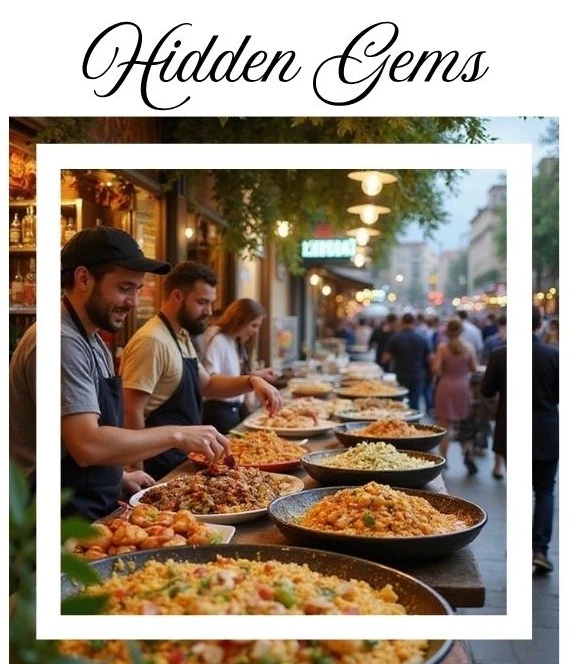
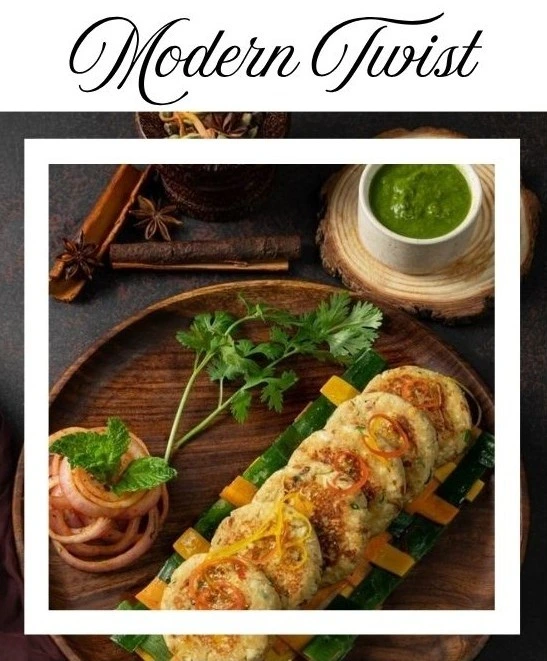
Trending Now
1: Why Matcha is taking over Cafes worldwide
2: Japanese Sandos & Onigiri craze
3: Healthy Comfort food
Did You Know?
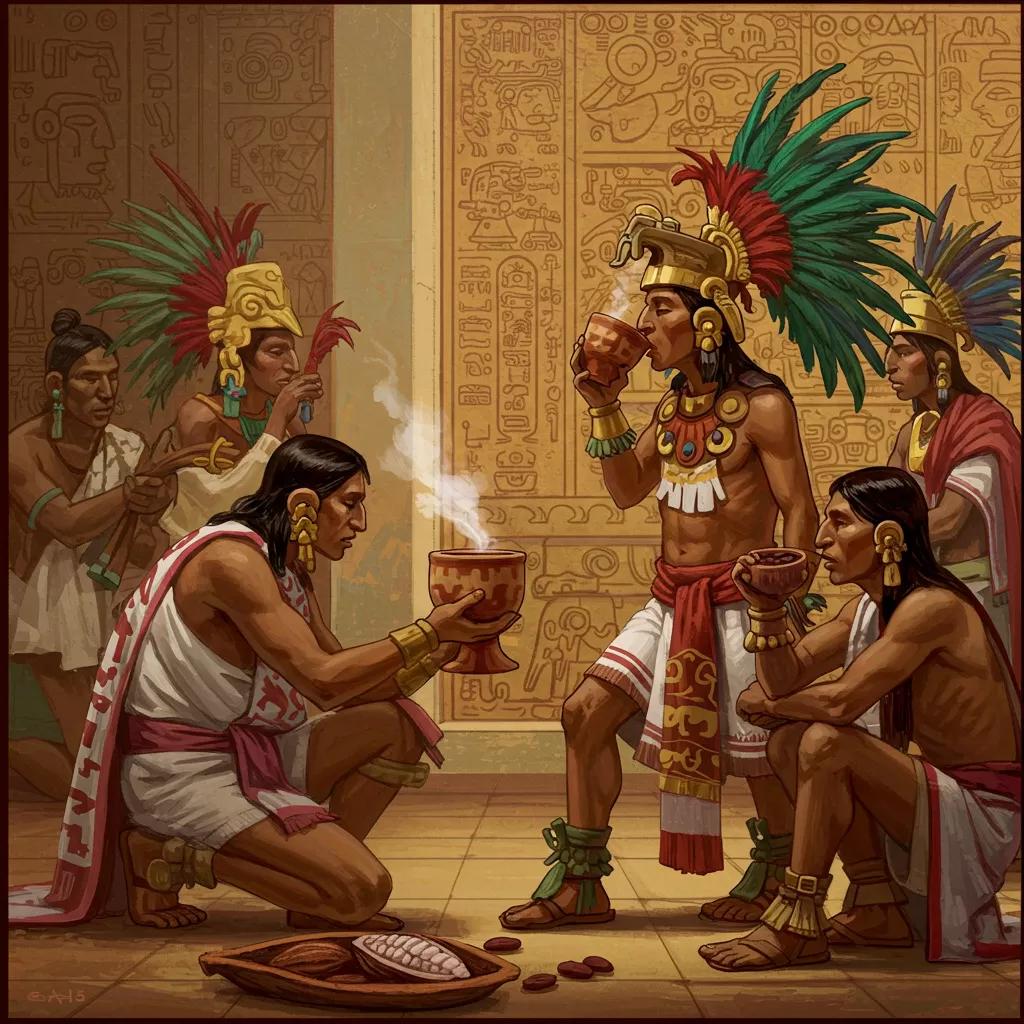
Chocolate was once a Royal Drink
Today, chocolate is enjoyed as a sweet treat around the world, but centuries ago, it was not a candy — it was a luxury drink reserved for kings, warriors, and nobles.The story of chocolate begins with the ancient Maya and Aztec civilizations of Central America. They discovered the value of cacao beans and prepared a special drink called "xocolatl", meaning "bitter water". Unlike today's sweet chocolate, this drink was bitter, spicy, and often mixed with ingredients like chilli, vanilla, and spices.For the Maya and Aztecs, cacao was considered a precious gift from the gods. It was used in religious ceremonies, royal gatherings, and important celebrations. Because cacao beans were rare and valuable, they were sometimes even used as a form of currency.The Aztec emperor Moctezuma II was believed to consume cacao drinks regularly because it was considered a symbol of power, energy, and wealth. Ordinary people rarely had access to it, making chocolate a drink of the elite.When Spanish explorers brought cacao to Europe in the 16th century, it quickly became popular among European royalty. The bitter drink was transformed by adding sugar, milk, and cinnamon, creating a sweeter version enjoyed in royal courts.For many years, European kings and queens treated chocolate as a symbol of luxury and sophistication. Special chocolate rooms were created in royal palaces where nobles gathered to enjoy this expensive beverage.
Food Myth Vs Reality?
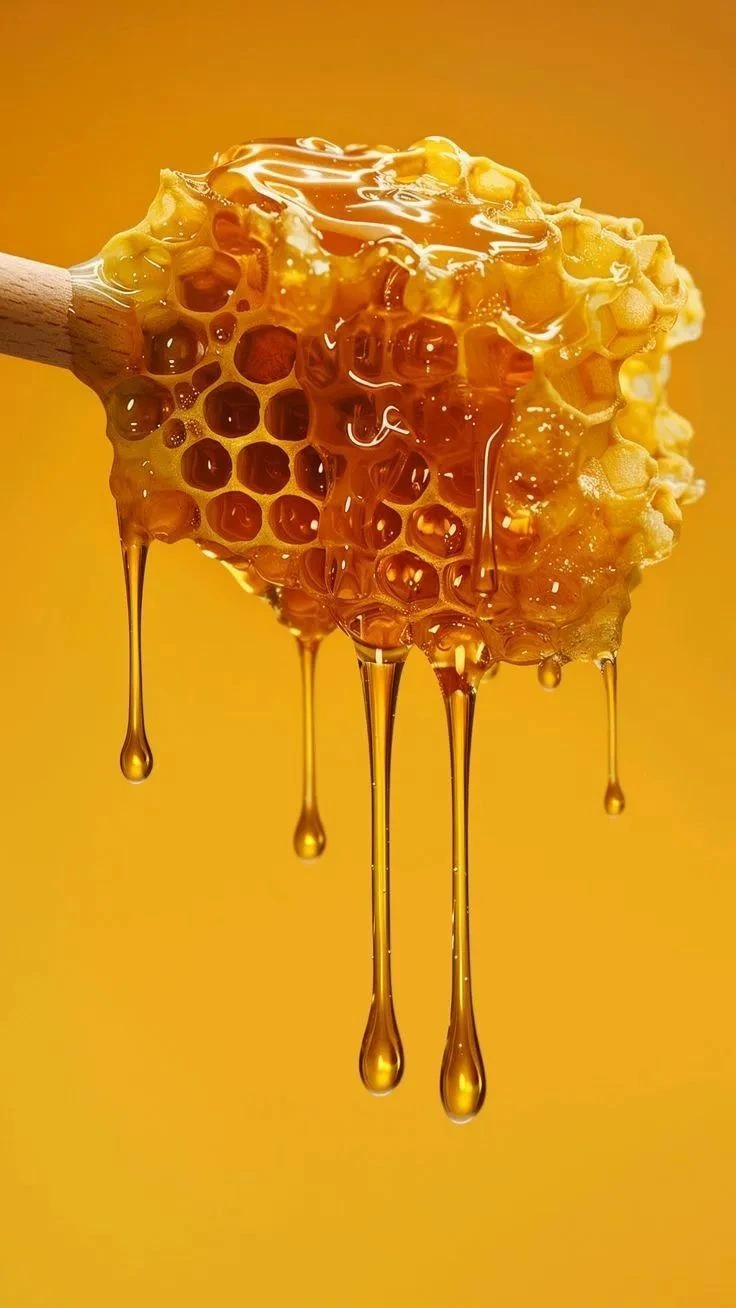
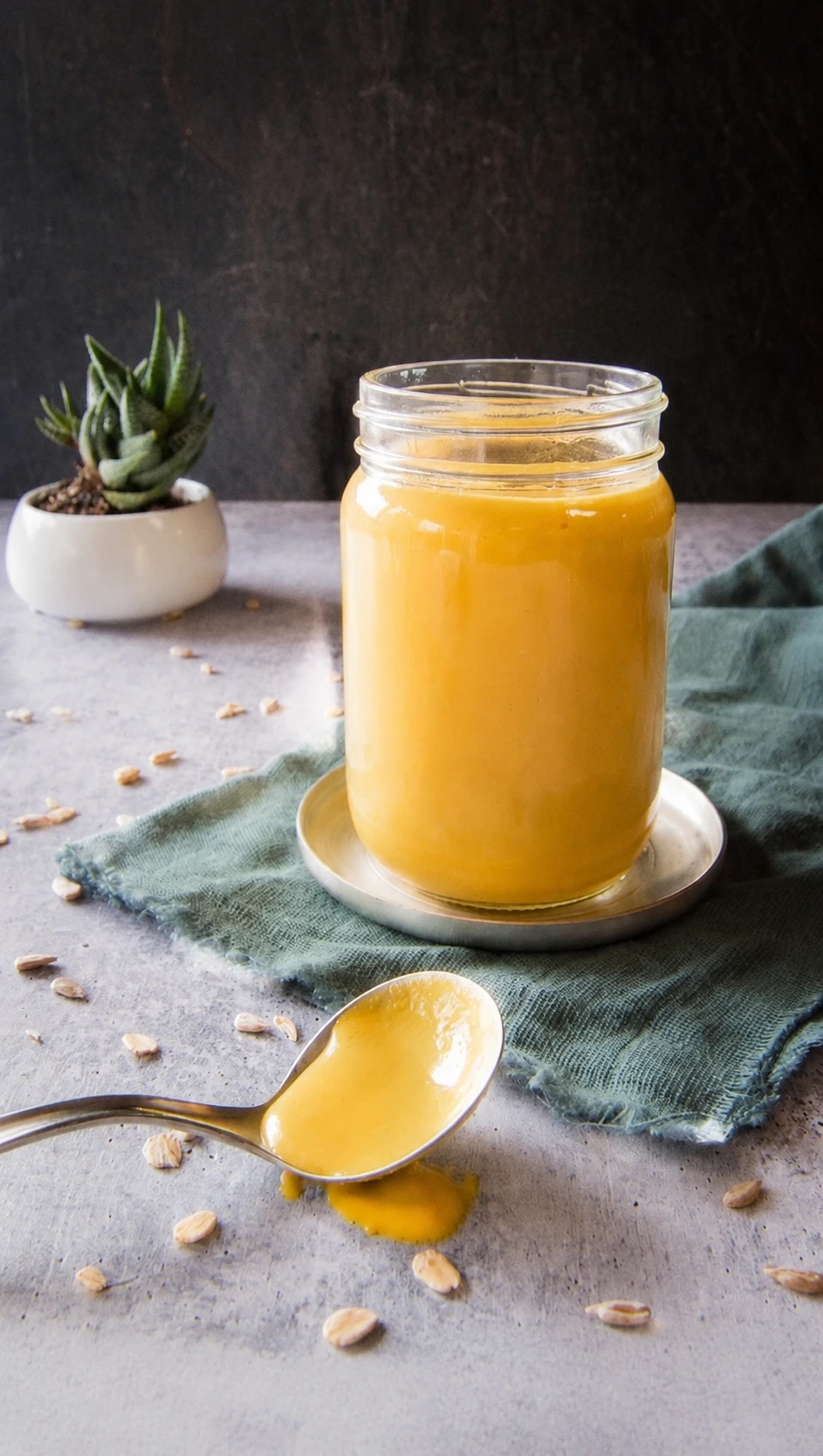
Myth: Honey stays fresh forever because it is chemically preserved.
Truth: Honey lasts for thousands of years because of its low moisture content, natural acidity, and antibacterial properties. Archaeologists have even discovered ancient honey in Egyptian tombs that was still preserved.
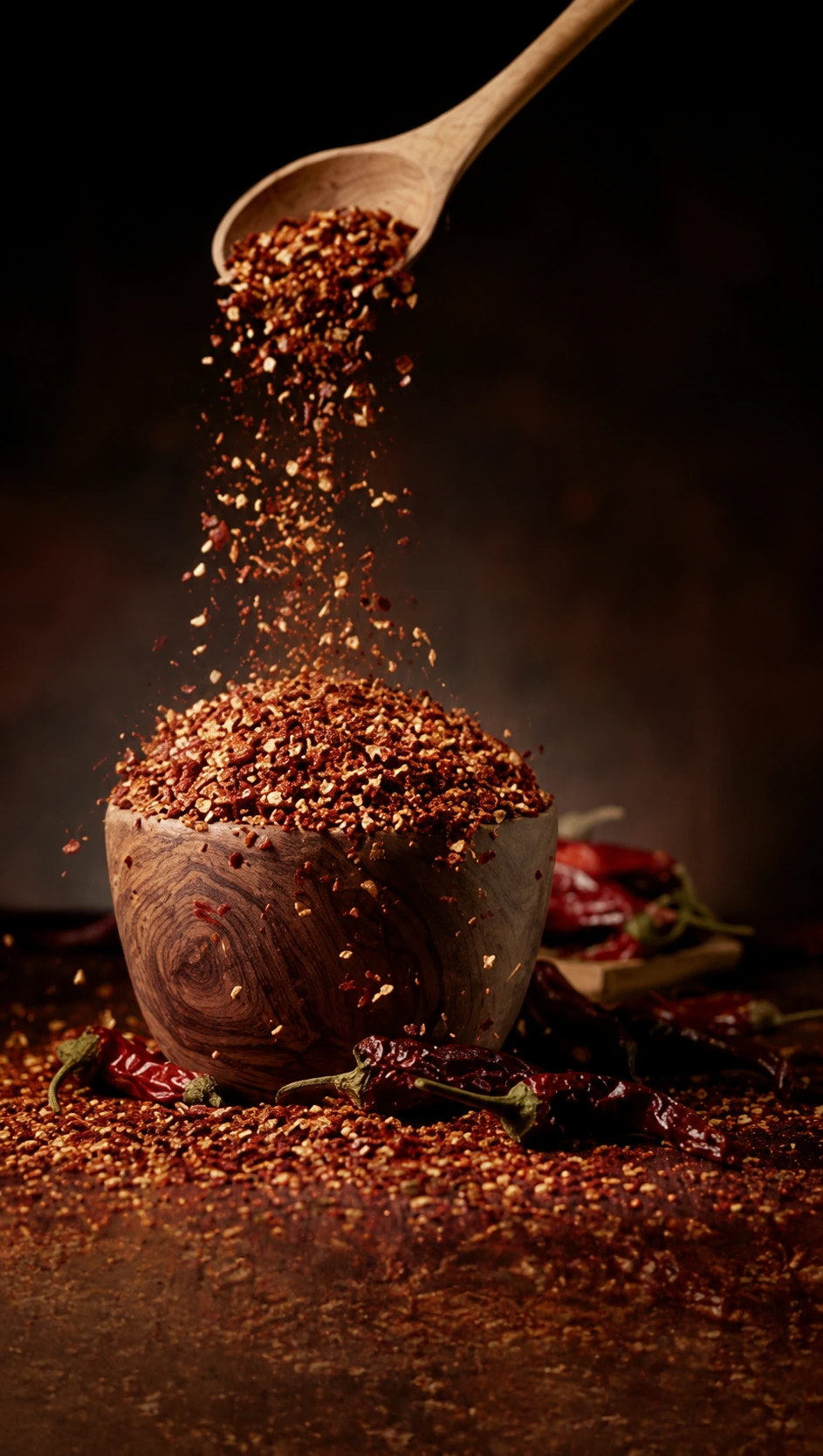
Myth: Eating too much spicy food directly causes stomach ulcers.
Truth: Spicy foods can irritate existing digestive problems, but ulcers are mainly caused by factors like bacterial infection (H. pylori) and certain medications.
Myth: Ghee should be completely avoided because it is pure fat
Truth: Ghee has been part of Indian cuisine for thousands of years. When consumed in moderation, it provides energy and contains fat-soluble vitamins.
1- Minute Food Stories
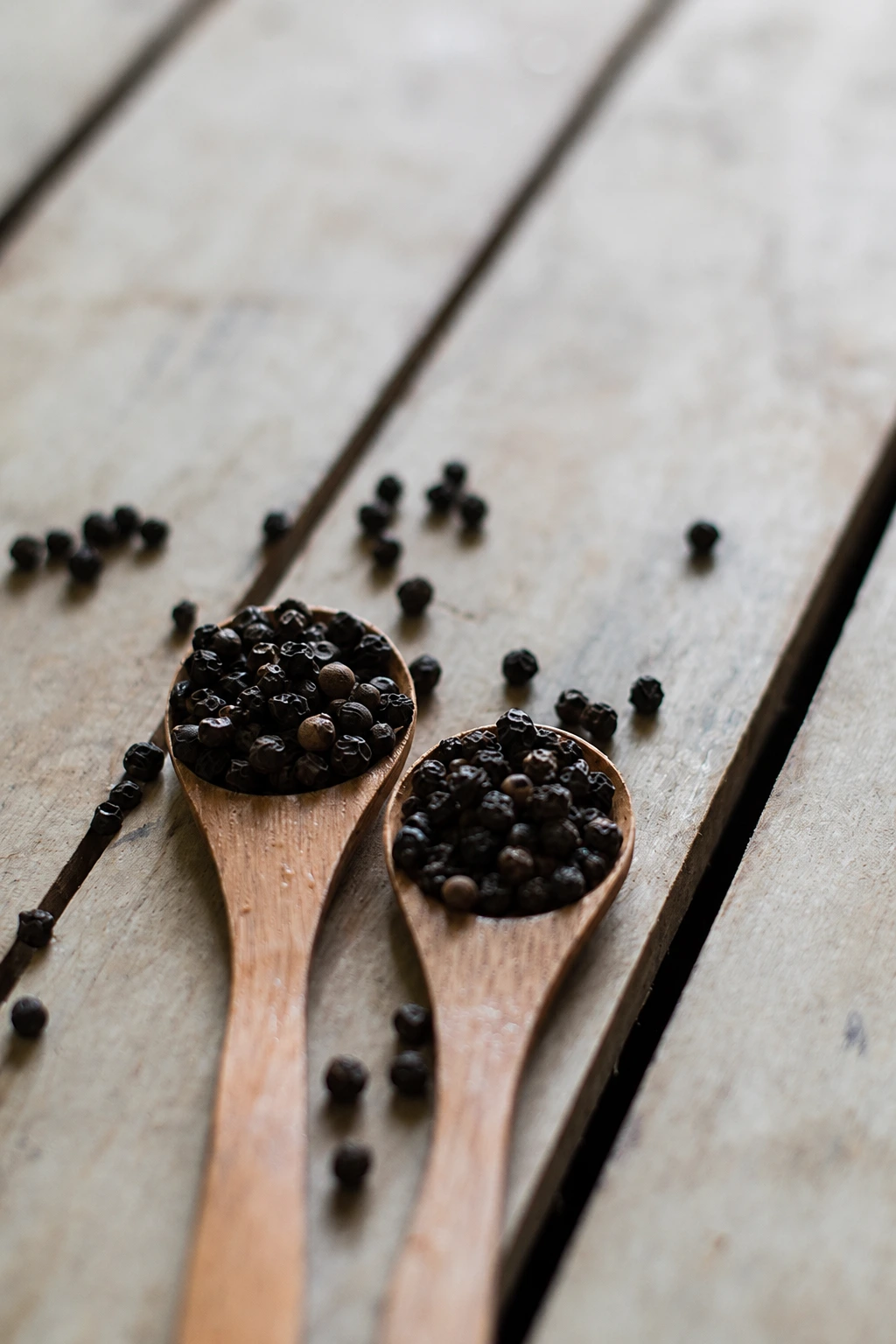
Black pepper: Thousands of years ago, black pepper from India was considered one of the world's most valuable spices. Ancient traders travelled across oceans and deserts to bring this "black gold" to Europe and the Middle East.During ancient times, pepper was so precious that it was sometimes used as currency and offered as a valuable gift to kings and rulers.The demand for Indian spices became so high that European explorers started searching for new sea routes to reach India. This search eventually led to famous voyages and changed global trade forever.
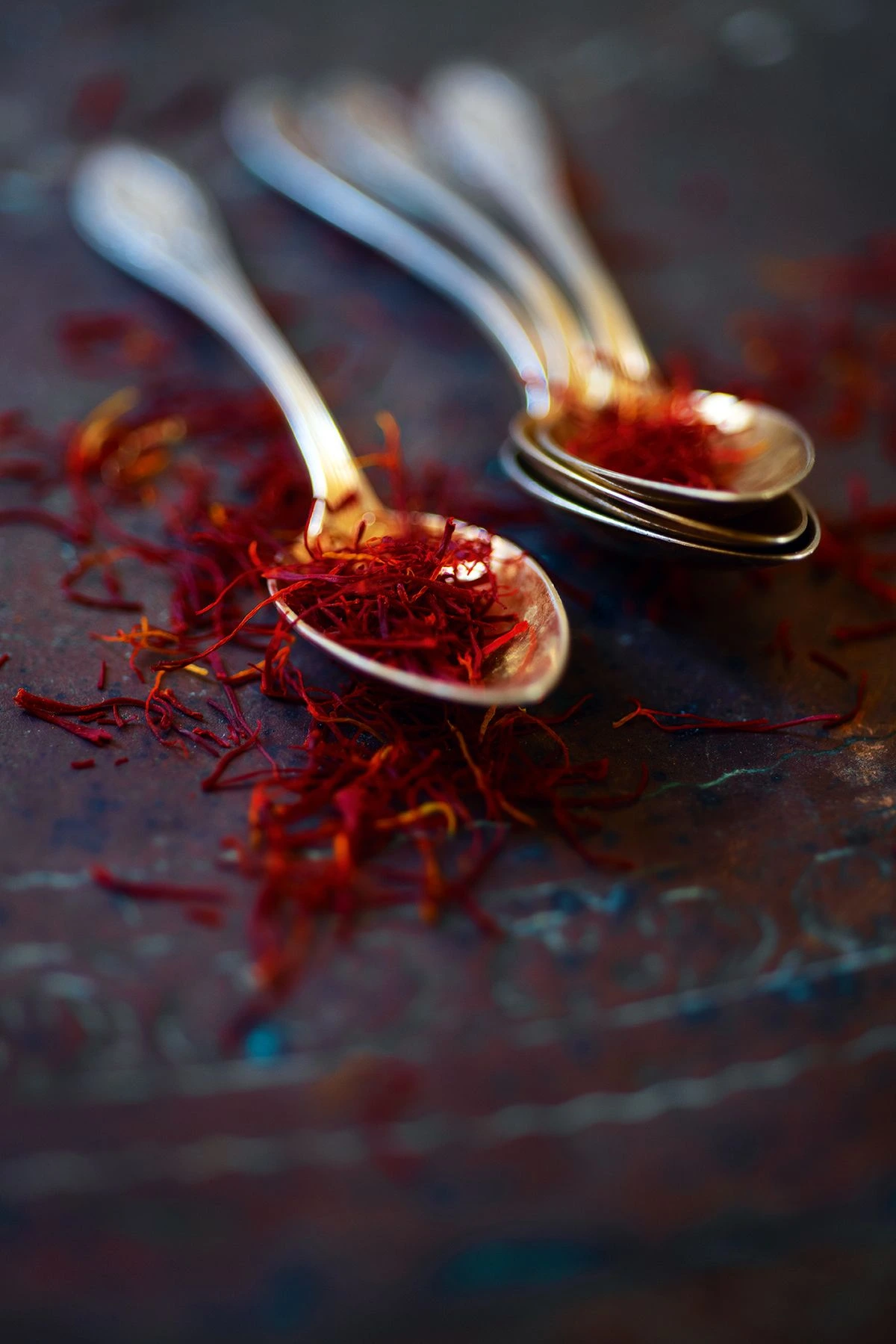
Saffron: Saffron comes from the delicate threads of the Crocus flower and requires thousands of flowers to produce just a small amount. Because it is difficult to harvest, saffron became a symbol of luxury and royalty.In India, Kashmiri saffron has been treasured for centuries and used in royal kitchens, traditional medicine, and celebrations.From Mughal desserts to festive dishes, saffron has always represented richness, culture, and tradition.
Editor Pick
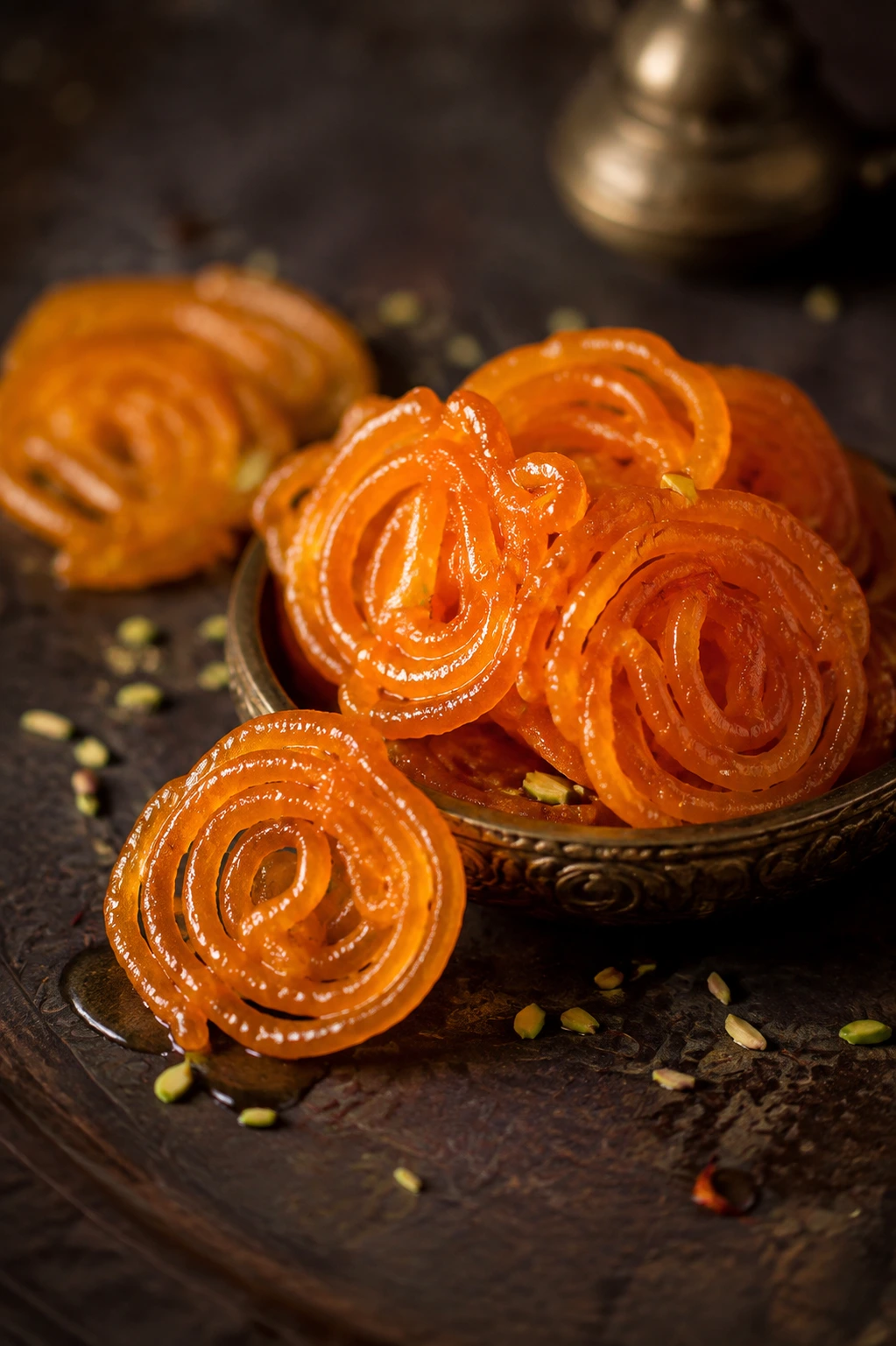
Jalebi: the Golden Spiral of India’s Sweet Heritage. Crispy on the outside, juicy on the inside, and soaked in aromatic sugar syrup — Jalebi is not just a dessert; it is an emotion for millions of Indians. From festive celebrations and weddings to a simple morning breakfast with milk or rabri, jalebi has earned a special place in Indian food culture. Its beautiful spiral shape, golden color, and irresistible sweetness make it one of the most loved traditional sweets across India.
Although jalebi is considered a classic Indian sweet, its roots go back centuries. Historians believe that jalebi originated from a Middle Eastern sweet called Zalabiya or Zulbia, which was introduced to the Indian subcontinent through trade and cultural exchanges. Ancient Indian culinary texts also mention similar fried sweets. Over time, Indian cooks modified the recipe by adding local flavors, creating the jalebi we know today — a crispy spiral soaked in fragrant sugar syrup. The name itself evolved from different regional pronunciations, eventually becoming "Jalebi".
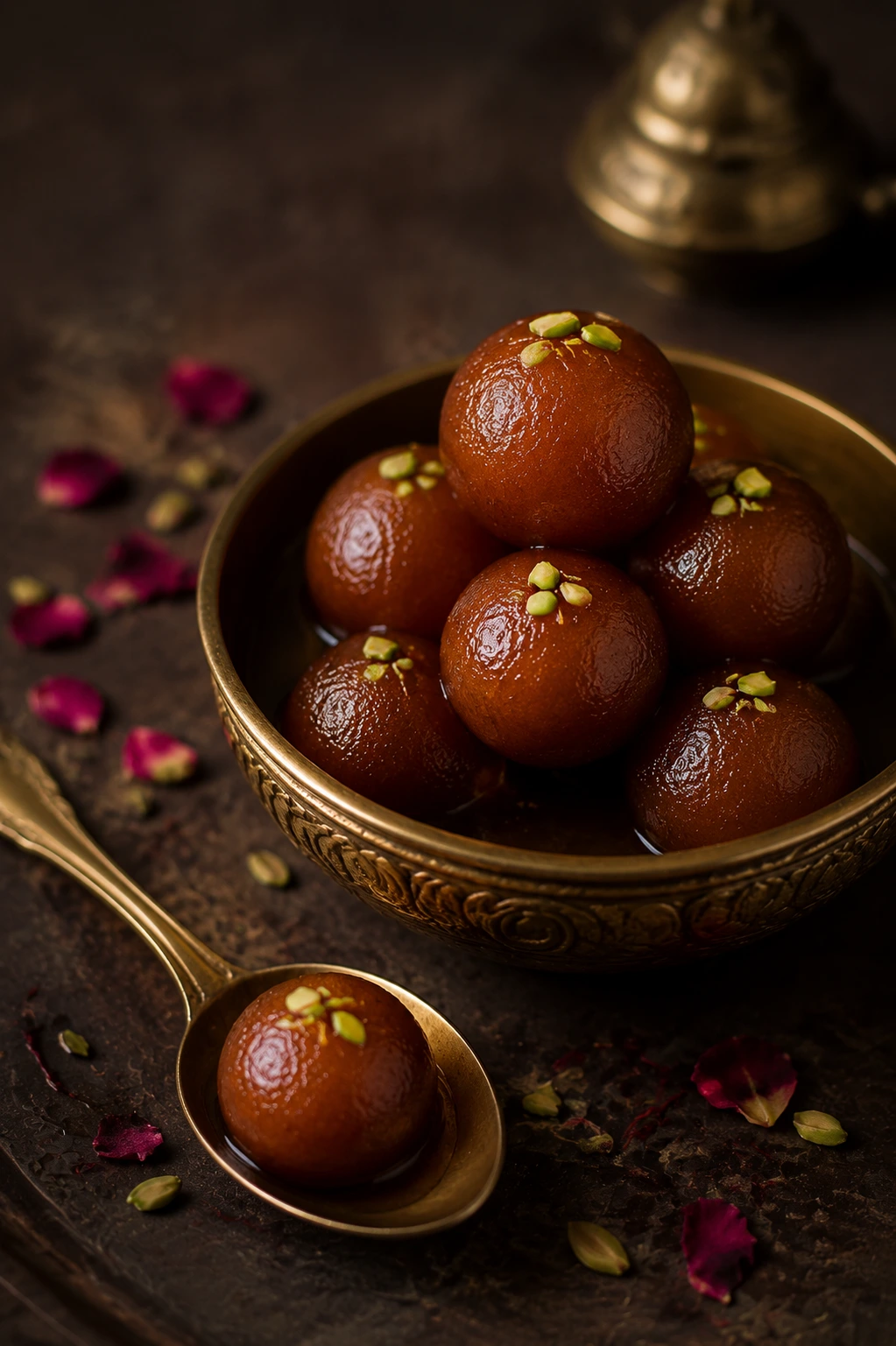
Gulab Jamun: Soft, golden-brown, and soaked in fragrant sugar syrup — Gulab Jamun is one of India's most beloved traditional sweets. Whether it is a wedding, festival, family gathering, or a simple celebration, no Indian occasion feels complete without a bowl of warm gulab jamun.With its melt-in-the-mouth texture and rich sweetness, gulab jamun is not just a dessert; it is a symbol of happiness, hospitality, and Indian culinary tradition.
The story of gulab jamun is as rich as its taste. Although today it is considered an iconic Indian sweet, its origins are connected to the Persian and Middle Eastern culinary traditions.The name "Gulab Jamun" comes from two words: Gulab – meaning "rose water," referring to the rose-flavored sugar syrup in which the sweet is soaked.
Jamun – referring to the Indian black plum fruit because of its similar round shape and color.Historians believe that gulab jamun was inspired by a Persian dessert called "Lu'qmat al-Qadi", which was introduced to the Indian subcontinent during the Mughal era. Indian chefs later adapted the recipe using local ingredients like milk solids (khoya), creating the delicious gulab jamun we know today.