The name “Amritsar” is also known as “Ambarsar,” as the name comes from” Amrit Sarovar,” which means “Pool of Nectar”, referring to the sacred water tank around which the city was built. It is the Second-largest city in the Indian State of Punjab, after Ludhiana.
The City was founded in 1577 by Guru Ram Das ji, the fourth sikh guru. The city grew around the Harmindar sahib ( Golden Temple), which is a great spot for tourists. This Temple becomes the spiritual center of sikhism and remains one of the most visited religious places in the world.
Over time, it became not just a spiritual hub but also a center of trade, culture, and tradition in Punjab. During the British era, the city witnessed important historical events, including the tragic Jallianwala Bagh massacre in 1919, which played a major role in India’s freedom movement.
Today, It is known worldwide for its rich history, vibrant Punjabi culture, hospitality, and delicious food. From the Golden Temple’s langar (free community meal) to its famous street foods like kulcha and lassi, the city beautifully blends spirituality, history, and flavor.

There are so many places for food that have amazing stories, with delicious food
Famous Food:
Khulche Chole
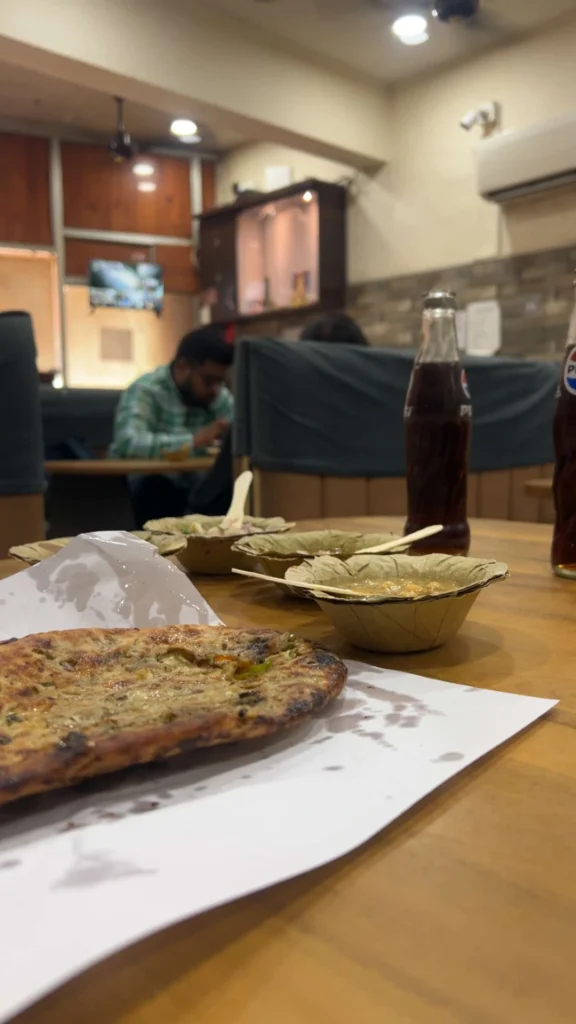
When we talk about Indian street food, Punjab holds a very special place in our hearts. Among its many famous dishes, kulcha stands out as a true icon. It is not just the food — it’s an experience that every food lover should have at least once.
The secret behind the unique taste of Amritsari kulcha lies in its ingredients and preparation. Many believe that the water in Amritsar plays a role a role in giving the dough its distinct flavour. The dough is perfectly kneaded using refined flour, salt, sugar (just a little bit for the flavour), water, and sometimes yogurt or milk to enhance its softness.
It comes in a variety of fillings such as spiced mashed potato (Aloo) , paneer(Indian cottage cheese) even mixed vegtable. Each variation brings it own rich and satisfying taste.
What makes it truly special is the way it is cooked. The kulcha is baked in a tandoor (clavy oven), which gives it is a crispy texture on the outside while keeping it soft and fluffy inside.
A true Amritsari experience feels incomplete without this dish. Some people also call it ” Naan kulcha” but no matter what you call it, its rich taste speaks for itself.
It is best enjoyed with chole (spiced chickpea curry), fresh onion, and mint chutney. The combination of kulcha with chole is one of the finest street food experiences in Amritsar. Pair it with a glass of lassi or buttermilk, and you’ll never forget the flavour — it’s truly one of a kind.
Fun Fact: After enjoying kulcha with a glass of lassi, many people feel so full and relaxed that it often leads to a long, satisfying nap!
kulcha+ lassi combo= food coma mode on.
Lassi:
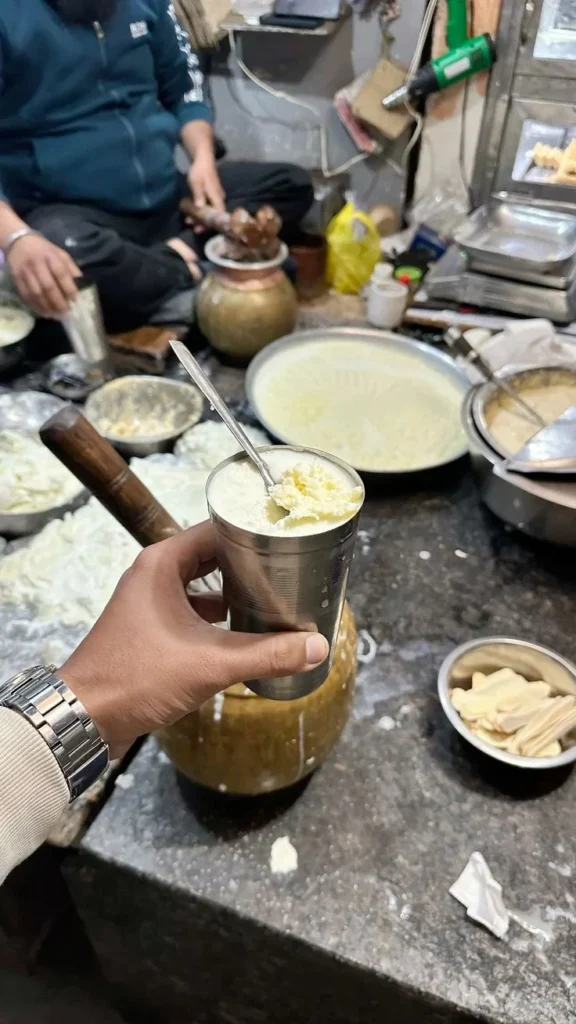
Amritsar is Famous for many things in food that people come here just to eat, of course, after visiting the Golden Temple, so one of the best things here is PEDE WALI LASSI. Pede Wali Lassi is one of the most famous and iconic drinks of Amritsar, Punjab. It is a rich, creamy, and thick yogurt-based drink that is specially topped with peda (a traditional milk sweet), malai (cream), and sometimes dry fruits. This makes it much heavier and more indulgent than regular lassi.
The Pede Wali Lassi evolved from this culture of richness. Local sweet makers (halwais) in Amritsar began adding peda (a milk-based sweet made from thickened milk and sugar) into lassi to make it more indulgent, filling, and dessert-like. Over time, this became a specialty in old Amritsar markets.
It is believed that this style of lassi became popular in traditional sweet shops near the Golden Temple area, where pilgrims and visitors were served rich dairy drinks after long journeys and prayers. Because Punjab is known for its heavy dairy consumption and hospitality, the idea of adding peda and cream made the drink more luxurious.
Today, Amritsar Pede Wali Lassi is not just a drink—it represents Punjabi richness, hospitality, and love for milk-based sweets, turning a simple cooling beverage into a cultural dessert experience.
ADDRESS: Hall Bazar, near D.A.V. College and katra sher singh OPP regent cinema
There is also more Gem for Pede vali lassi, which only a few people know, but I guess that’s why it’s called GEM because very few people know this place
Address: Quila bhangiya opp Natraj Sweets
KESAR DA DHABHA:
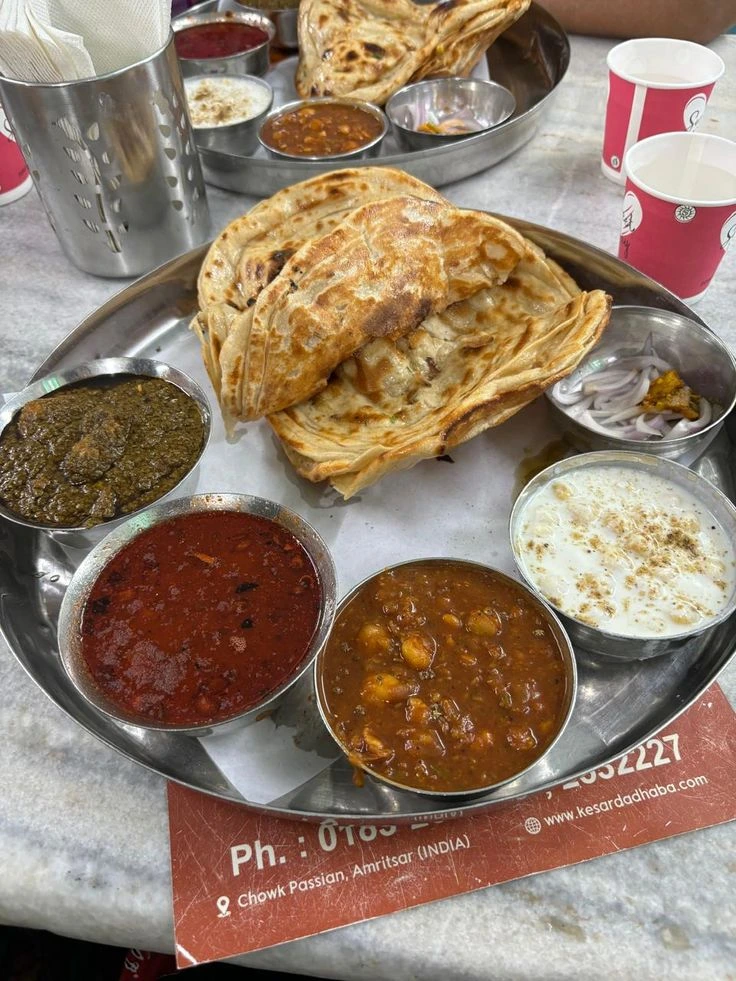
Kesar Da Dhaba is one of the most legendary and historic eateries in Amritsar, Punjab, known for its authentic Punjabi food and traditional cooking style.
It was originally started in the early 20th century (around 1916–1920) by a man named Lahori Ram in Lahore (before Partition). After the Partition of India in 1947, he migrated to Amritsar and restarted the dhaba in the narrow lanes of the city. That’s how Kesar Da Dhaba became part of Amritsar’s food culture.
In its early days, the dhaba was a small, simple eatery serving homestyle Punjabi food to locals and travelers. Over time, it became famous for its rich, slow-cooked dishes, especially:
- Dal Makhani (slow-cooked overnight style)
- Lachha Paratha
- Kesar-infused sweets and desserts
What makes Kesar Da Dhaba special is its traditional cooking method, where food is still prepared in desi ghee and slow-cooked in large pots, maintaining the old Punjabi taste.
Today, it is considered a must-visit food landmark in Amritsar, attracting tourists from all over the world who want to experience authentic Punjabi dhaba-style food.
ADDRESS: Chowk Passian, Near Toba Bhai Shellow and Khoo Bambay wala.
Aam Papad:
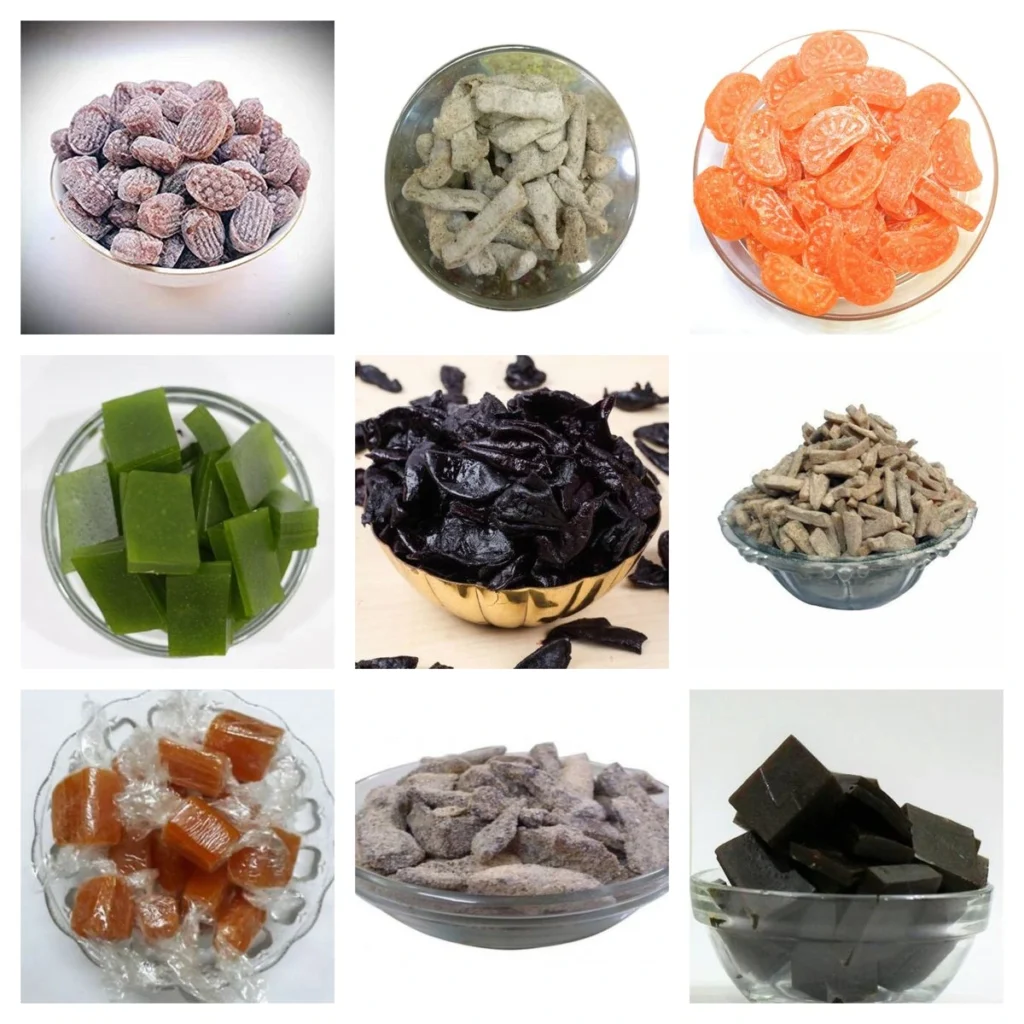
Aam Papad, also known as mango leather, is one of India’s most beloved traditional sweets. Made from ripe mango pulp, sugar, and sometimes a touch of citric acid, it is sun-dried to create thin, chewy sheets that are sweet, tangy, and incredibly flavorful. Its bright orange color and unique taste make it instantly recognizable and a nostalgic favorite for many generations.
The history of Aam Papad goes back centuries, especially in regions like Maharashtra, Gujarat, and Uttar Pradesh, where mangoes are abundant during the summer season. Before refrigeration, sun-drying mango pulp was a clever way to preserve the fruit for months, allowing people to enjoy the taste of mango even after the harvest season. Families would hang the sheets on strings or trays in the sun until they dried perfectly, creating a long-lasting treat.
Aam Papad is not just a snack — it’s a part of Indian food culture, often carried in lunchboxes, given as gifts, or enjoyed during festivals. Modern variations include rolled Aam Papad, sugar-coated versions, and even flavored varieties with spices or chili, adding a contemporary twist to the traditional delicacy.
Whether eaten straight from the packet, rolled up as a candy, or cut into small pieces as a dessert, Aam Papad brings together nostalgia, culture, and the sweet-tangy flavor of India’s summer mangoes.
Papad and wadiya
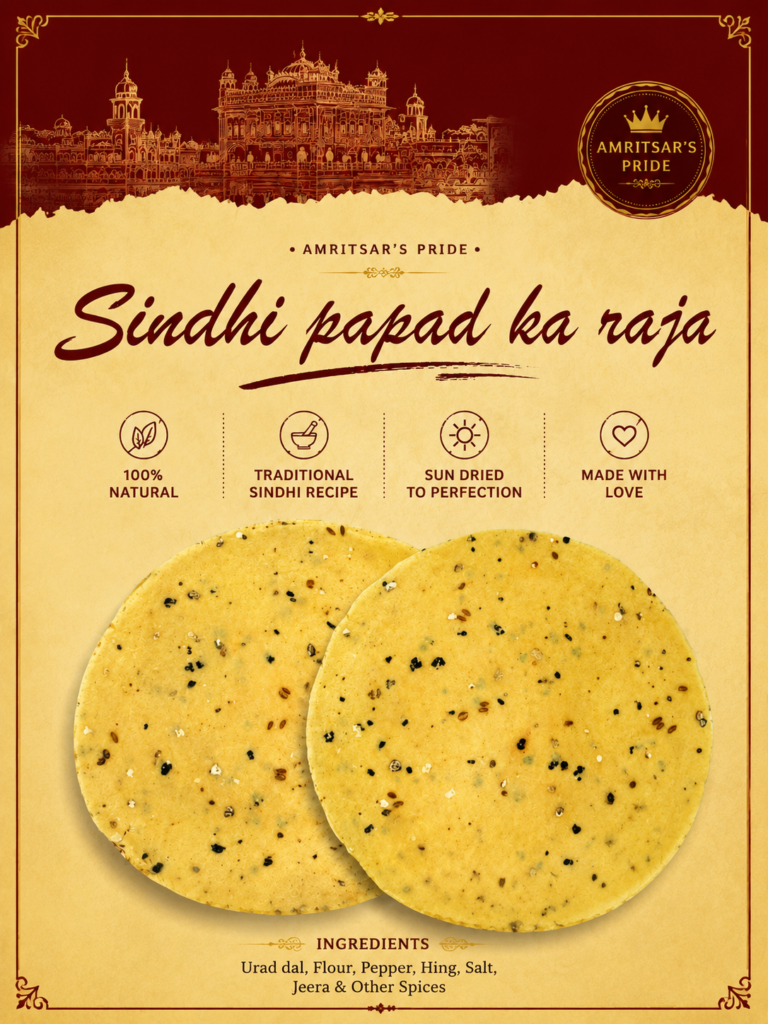
Papad is one of the most famous food items in Amritsar. Papad Wadiya is one of the most loved traditional delicacies of Punjab, carrying the flavours, memories, and culture of Punjabi households. More than just a food item, it represents the old traditions where families came together during summers to prepare homemade foods for the entire year. Made from lentils, spices, and preserved through natural sun-drying, Papad Wadiya reflects the simplicity and wisdom of traditional Indian cooking. The process of making them was not only about preserving food but also about creating moments of togetherness, as women from families and villages often gathered to prepare large batches while sharing stories and experiences.
Traditionally, Papad Wadiya is prepared using urad dal, along with aromatic spices like red chilli, cumin, black pepper, ajwain, ginger, and garlic. The lentils are soaked, ground into a thick mixture, shaped into small pieces, and dried under the warm Punjabi sun until they become firm and ready to store. These spicy and flavourful wadiyas are then used in various dishes like Wadiya Curry, dal, pulao, and vegetable preparations, adding a unique taste and texture to everyday meals.
Even today, Papad Wadiya holds a special place in Punjabi cuisine because it connects people with their roots and traditional way of life. Although modern food options have become more common, the taste of homemade papad wadiya still brings back memories of village kitchens, family gatherings, and the warmth of traditional cooking. It is not just a recipe but a cultural treasure that preserves the flavours and stories of Punjab for future generations.