
There are so many beverages all over the world. India is one of the largest countries in terms of its drinks, language, and cuisine diversity. Many Drinks were consumed not just for the taste but for the health benefits.
In India, there are many Drinks used for health benefits, such as lassi, buttermilk (Chaas), turmeric milk (Haldi wala doodh), and herbal tea (Kada). These are often made from indian spices, milk, yogurt, herbs, and grains.
Indian Beverages are far more than casual drinks; they are rituals, traditions, and windows into the soul culture. Some traditional drinks were tied to festivals, seasonal changes, and regional practices. For instance, lassi and buttermilk are used to cool the body in summer, while Turmeric milk is used as a warming and healing drink in winter. In some regions, there are some fermented drinks like toddy and rice beer served for both social and nutritional purposes.
In ancient India, people created the Masala chai as a therapeutic drink by combining various spices and herbs, each chosen for its specific health benefits. The original blend included warming ingredients like ginger, cardamom, cinnamon, cloves, and black pepper.
There are some Traditional Beverages in INDIA:
- Chai
- Lassi
- Aam panna
- Thandai
- Nimbu paani (Indian lemonade)
- Buttermilk ( chaas)
- Turmeric milk ( Haldi vala dudh)
- Alcohol ( Madira)
Chai
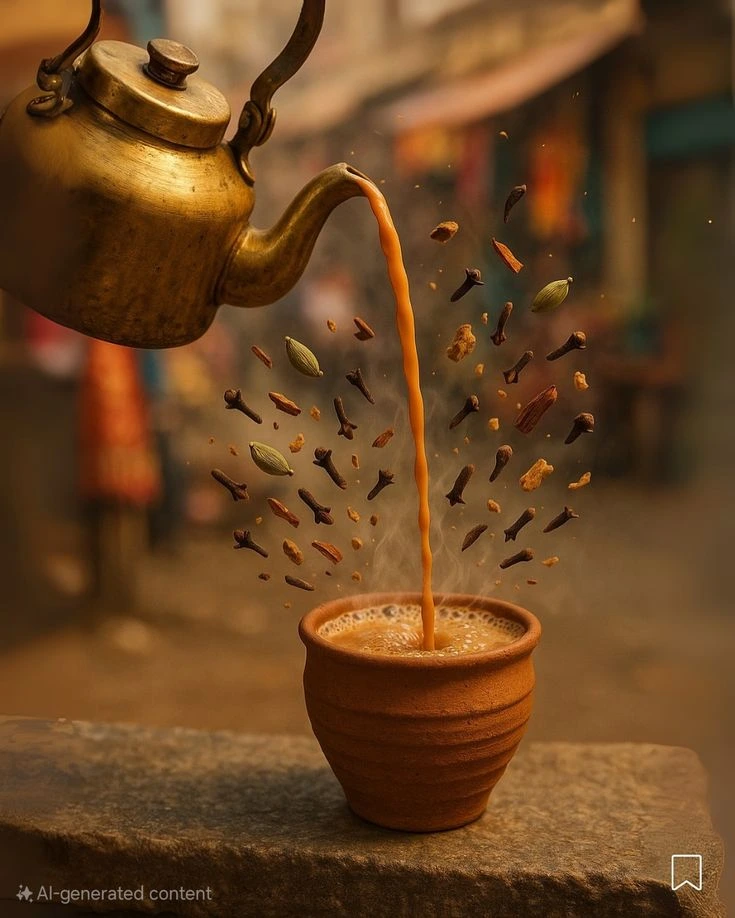
The word “Chai“, which you are familiar with today, actually originated in ancient China as “cha” over 5000 years ago during the Shang dynasty. As tea traveled westward along the Silk Road trade routes, the word evolved from “cha” to ‘chay” in Persia and finally to “chai” in India.
The Masala chai didn’t start as the milk tea drink you know today. It began as a healing concoction deeply rooted in Ayurvedic medicine.
Chai was actually just a Black tea leaf in boiling water, which was introduced by the British, but in India, they made their own chai by adding Milk and sugar along with black tea leaf to make their own version.
Popular types of Chai:
Masala chai: Black tea leaves are brewed with some spices like cardamom, Black pepper, ginger, cloves, and cinnamon.
Adrak Chai: Black tea with fresh ginger, milk, and sugar. Popular for Warming and digestive properties.
Elachi chai (cardamom Tea) : Black tea flavored mainly with cardamom pods, giving a sweet and aromatic taste.
Tulsi Chai (Holy Basil Tea): Black tea infused with tulsi leaves, known for its immunity-boosting benefits.
Kashmiri Chai / Noon Chai: A pink-colored tea made with green tea leaves, milk, salt, and sometimes nuts; a specialty of Kashmir.
Doodh Pati Chai – Strong black tea brewed mostly in milk rather than water, giving a rich and creamy flavor.
Lemon Tea – Black tea brewed with lemon and sometimes a pinch of honey, often served without milk. Green Tea or Herbal Chai – Made with green tea leaves or herbal blends like chamomile, mint, or ginger, often without milk.
Lassi
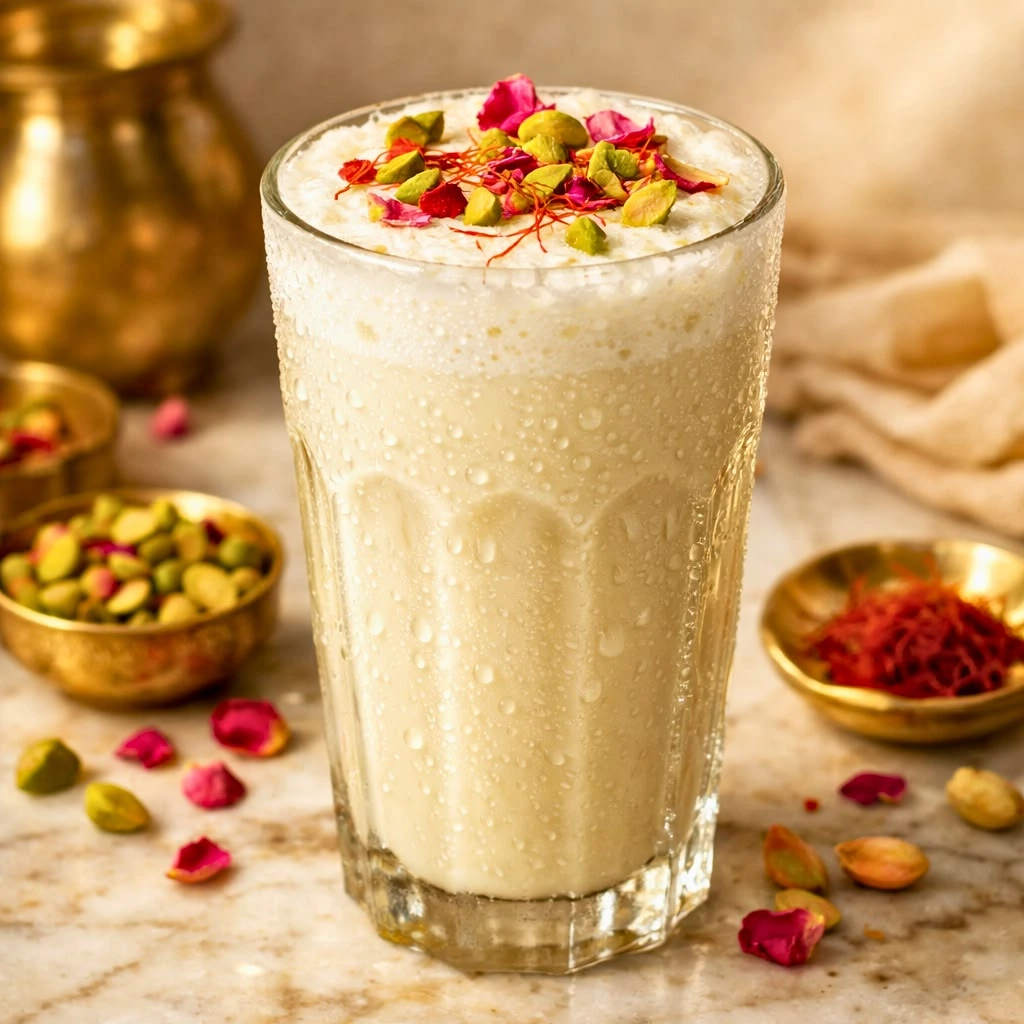
Lassi began as a simple countryside drink, but it has evolved into a national and even global drink. It has been an important part of Indian festive culture, weddings, and other rituals, considered a gesture of warmth. During festivals like Holi, Lassi infused with bhang (a cannabis-based paste) is famously consumed in parts of North India.
Lassi is a Yogurt-based drink that is typically made by blending yogurt with water, spices, and sometimes fruit or other ingredients. It was enjoyed mostly in the summer, as it helps to cool down the body
It is an excellent source of Protein, calcium, and probiotics, making it good for our gut health and it was often consumed after meals, especially in the afternoon, to neutralize the acidity and help with digestive problems.
Varieties of lassi
Sweet Lassi – Flavored with sugar, fruits like mango, or rose water, this variation is enjoyed as a dessert or refreshing treat and often topped with a layer of malai (cream).
Salted Lassi – Seasoned with salt, cumin, or other spices, this version aids digestion and balances the flavors of Indian meals.
Masala Lassi – A spicy twist on the classic, incorporating herbs and spices such as cardamom or black pepper.
Modern Blends – Today, creative variations like mango lassi smoothies or herbal lassi mixes continue to delight modern palates while keeping the tradition alive.
Aam Panna
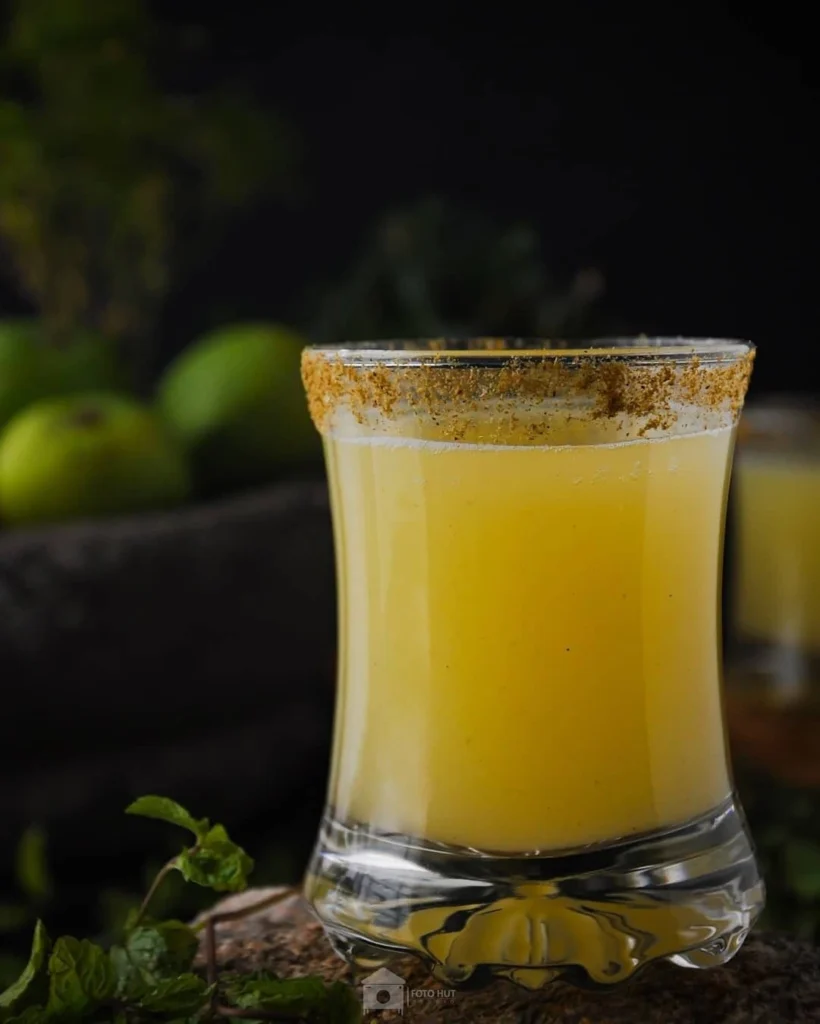
Aam panna is an indian and Pakistani drink made from the unripe mangoes. It has been enjoyed in India for centuries. Its origin is deeply connected to India’s long-standing tradition of using seasonal fruit not just for the taste, but also for the cooling and medicinal properties.
Aam panna was prepared in indian household in the summer to protect the body from heatstroke and dehydration.
In many Indian communities, Aam Panna was not just a drink but a home remedy passed through generations. Grandmothers often prepared it for children and travelers to keep them energized and safe from the harsh summer heat.
Raw mangoes were roasted or boiled, then mixed with spices like cumin, black salt, mint, and sugar or jaggery to create a refreshing drink. This combination was believed to help maintain electrolyte balance and improve digestion.
Varieties of Aam Panna
1. North Indian Aam Panna
- Base: Boiled or roasted raw mango pulp
- Flavors: Black salt, roasted cumin powder, mint leaves, sugar or jaggery
- Notes: Usually served chilled; popular in Punjab, Delhi, and Uttar Pradesh
2. Maharashtrian Aam Panna
- Base: Raw mangoes
- Flavors: Sugar, roasted cumin seeds, black salt, sometimes green chili for tang
- Notes: Often thicker and more concentrated; served as a health tonic in summer
3. Gujarati Aam Panna
- Base: Raw mangoes and sometimes a bit of yogurt
- Flavors: Black salt, cardamom, sugar or jaggery, and sometimes fennel seeds
- Notes: Slightly sweeter and aromatic; common in festivals
4. Spiced or Herbal Variants
- Some households add ginger, mint, or even tulsi (holy basil) for extra flavor and cooling effect.
- These are considered functional beverages, believed to improve digestion and boost immunity.
5. Modern/Commercial Varieties
- Packaged Aam Panna drinks often add mint, sugar, or soda for taste and convenience.
- Some modern versions may include flavored ice cubes or carbonated fizz for a trendy twist.
Thandai
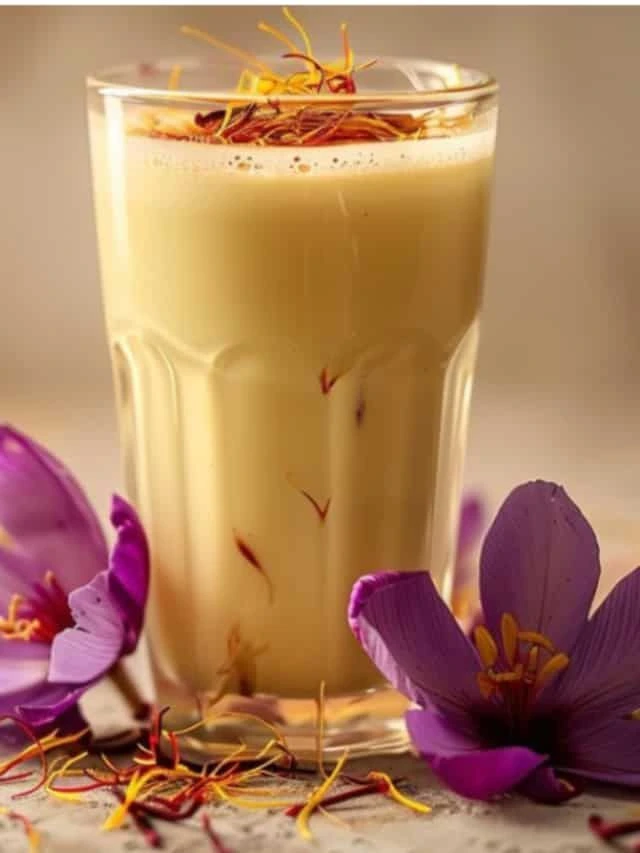
The term “Thandai” derives from the word “Thanda,” which means “cool” or “cold”. Thandai can be traced back to the mythological era, as it belongs to Ayurveda, where it was used as an elixir served to beat the summer heat. Some references also say that during the Mughal era, it was a very popular drink served at royal feasts.
Over time, it becomes synonymous with festivals, especially Holi, the festival of colors, and also on Maha Shivaratri, a night dedicated to Lord Shiva. On Maha Shivaratri, devotees offer Thandai to Lord Shiva as part of their rituals, symbolizing devotion and the cycle of creation and destruction.
Thandai is deeply intertwined with Indian festivals, particularly Holi. During this vibrant celebration, Thandai is often served with a special twist—Bhang, a paste made from cannabis leaves. This version, known as Bhang Thandai, is a traditional intoxicant that adds an extra layer of euphoria to the festivities. However, the non-intoxicating version of Thandai remains a popular choice for those who prefer a purely refreshing experience.
Varieties of Thandai:
1. Classic Thandai
- Made with milk, almonds, fennel seeds, cardamom, rose petals, and black pepper
- Lightly sweet and very refreshing
- The most traditional and widely consumed version in North India
2. Kesar Thandai (Saffron Thandai)
- Infused with saffron (kesar)
- Gives a rich golden color and royal flavor
- Often served during festivals and special occasions
3. Rose Thandai
- Flavored with rose water or rose petals
- Has a floral aroma and cooling effect
- Popular during summer for its refreshing taste
4. Bhang Thandai
- Prepared with bhang (cannabis leaves)
- Traditionally consumed during Holi and Shivratri in some regions
- Known for its cultural and festive significance
5. Dry Fruit Thandai
- Loaded with almonds, cashews, pistachios, and melon seeds
- Rich, creamy, and highly nutritious
- Often considered a “royal” version of Thandai
6. Chocolate or Modern Thandai
- A fusion version with cocoa or chocolate flavor
- Popular in cafés and modern restaurants
- Blends tradition with contemporary taste
Nimbu Paani (Lemonade)
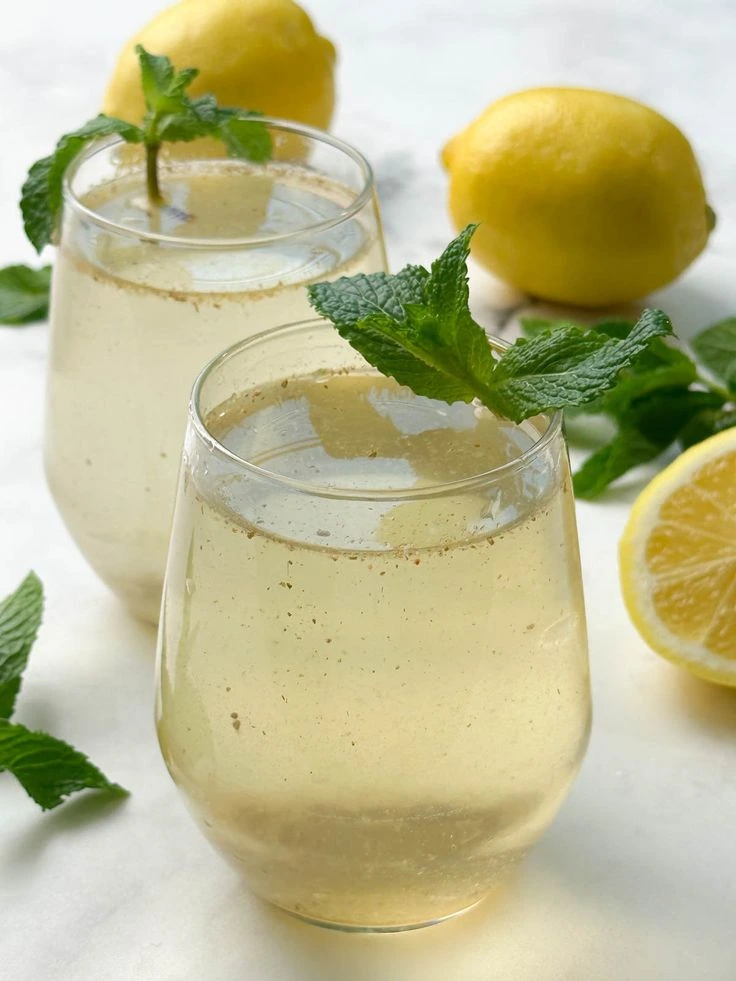
Lemonade is one of the world’s oldest and most refreshing drinks, with a history that goes back over 1,000 years. The earliest known version of lemonade is believed to have originated in ancient Egypt around 1000 AD, where people mixed lemon juice with water and sweeteners like honey. This early drink was called qatarmizat, and it was sold by street vendors in Cairo as a cooling beverage in hot desert climates.
When Carbonated, it is sometimes called a lemon soda, but in many parts of the world, lemonade refers to an Uncarbonated beverage; in some other parts, it refers to a carbonated one.
Varieties of Lemonade:
1. Classic Lemonade
The traditional mix of lemon juice, water, and sugar/honey. Simple, refreshing, and widely enjoyed across the world.
2. Strawberry Lemonade
A fruity twist where fresh strawberries are blended with lemonade, giving a sweet, slightly tangy flavor and a pink color.
3. Mint Lemonade (Nimbu Pani with Mint)
Very popular in India and the Middle East. It includes lemon juice, mint leaves, water, salt/sugar, and sometimes black salt for a cooling effect.
4. Honey Lemonade
Instead of sugar, honey is used as a natural sweetener, making it healthier and soothing for sore throats.
5. Ginger Lemonade
A strong and refreshing version made with fresh ginger juice + lemon + water + sweetener, known for its digestive benefits.
6. Sparkling Lemonade
Made using carbonated water instead of still water, giving it a fizzy, soda-like feel.
7. Blueberry / Mixed Berry Lemonade
A modern café-style drink where berries are mixed with lemonade for color, antioxidants, and a sweet-tart flavor.
8. Cucumber Lemonade
A detox-style drink combining cucumber juice + lemon + mint, very popular in wellness diets.
Buttermilk(chaas):
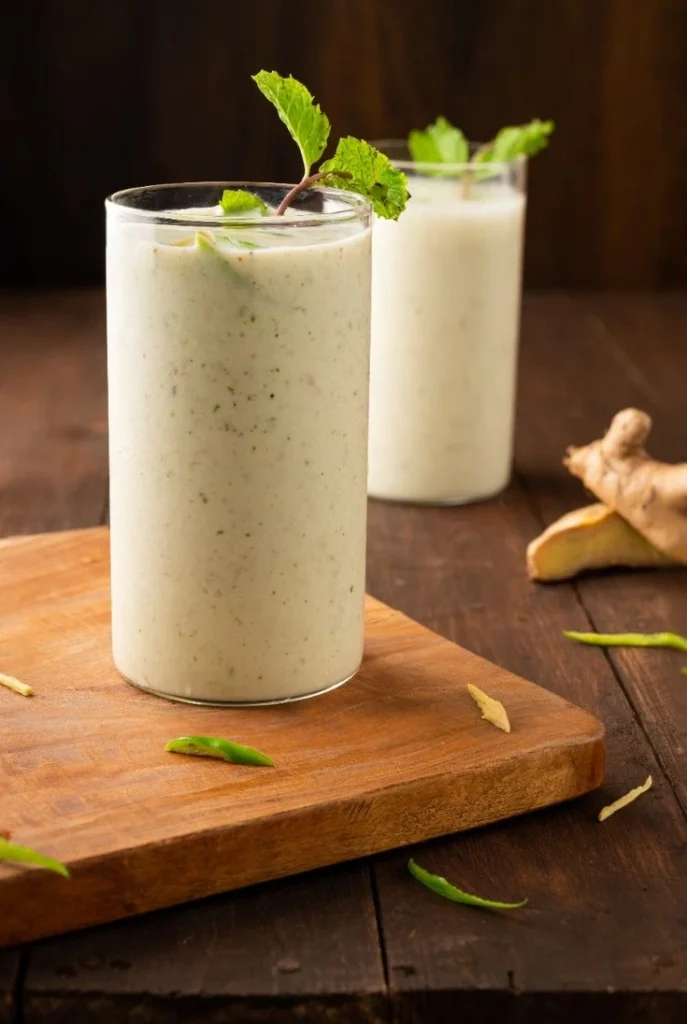
Buttermilk is a dairy drink made by adding lactic acid bacteria to milk to produce a fermented dairy drink. Traditionally, it was made from the nearly fat-free milk remaining after churning butter from cream. After butter was separated, the remaining liquid was slightly sour, refreshing, and full of nutrients—this became what we now call buttermilk.
In ancient civilizations like India, the Middle East, and Europe, buttermilk was widely consumed because it was easy to digest, cooling for the body, and helped preserve hydration in hot climates. In India, especially, buttermilk (known as chaas or mattha) became an important part of daily meals, often flavored with salt, cumin, and herbs.
During the Middle Ages in Europe, buttermilk was considered a “poor man’s drink” because butter was valuable, but the leftover liquid was shared among households. However, over time, people discovered its health benefits, including its ability to aid digestion and refresh the body.
Varieties of Buttermilk:
1. Traditional Buttermilk (Chaas / Mattha)
The most common Indian version is made by mixing curd (yogurt) with water and churning it. It is light, refreshing, and often seasoned with salt, roasted cumin, and mint.
2. Salted Buttermilk
A savory version where salt, cumin powder, and sometimes black salt are added. It is widely consumed in India as a digestive drink after meals.
3. Sweet Buttermilk
Made with milk or diluted yogurt mixed with sugar or jaggery. Popular in some regions as a light, cooling beverage.
4. Spiced Buttermilk
A flavorful variation that includes ginger, green chili, curry leaves, coriander, and spices. It is refreshing and helps in digestion.
5. Vegetable Buttermilk
A modern healthy twist where finely chopped cucumber, carrot, or onion is added to traditional buttermilk for extra nutrients and texture.
6. Masala Buttermilk
A popular Indian street-style version with black salt, cumin, pepper, mint, and chili powder, giving it a strong tangy-spicy taste.
7. Fermented Buttermilk (Cultured Buttermilk)
Common in Western countries, made by adding bacteria cultures to milk, giving it a thick texture and slightly sour taste. Used in baking and pancakes.
Turmuric milk (Hadli vala dudh):
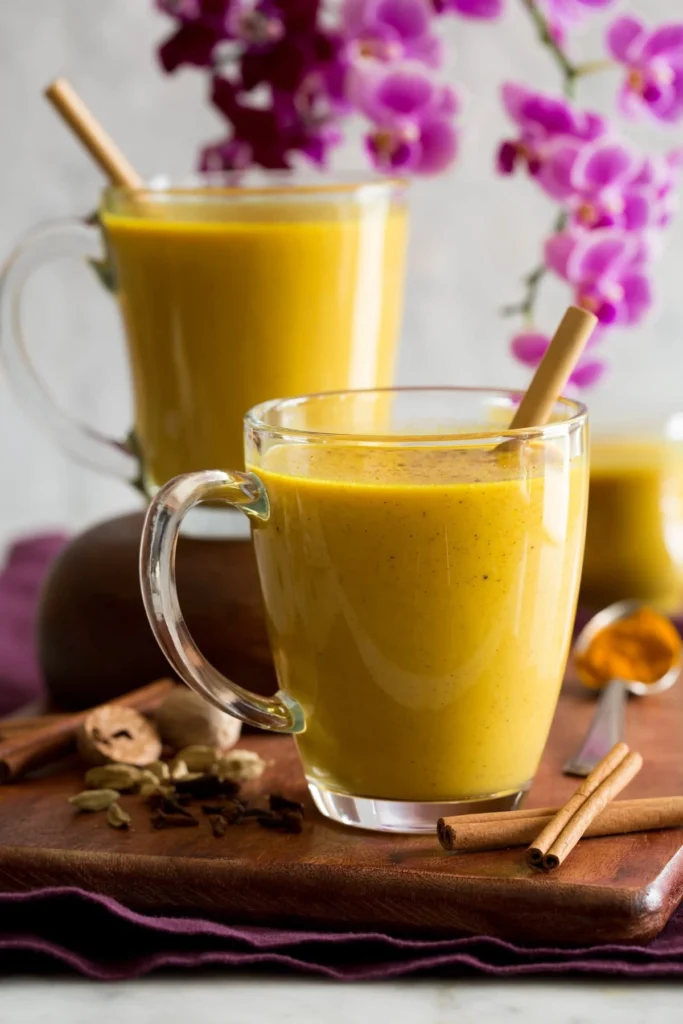
Turmeric has a long history, dating back almost 4,500 years. It was first used in India mainly for medicine and healing purposes. It contains a powerful spice, “Cucumin,” a compound known for its anti-inflammatory, antioxidant, and healing properties.
In Indian culture, especially in Hindu traditions, turmeric is also considered very sacred. It is used in weddings and religious ceremonies as a symbol of purity and good luck. Even today, it is applied in rituals and sometimes worn as jewelry to protect against negative energy.
In Indian households, especially in rural and traditional families, turmeric milk became a home remedy for colds, coughs, injuries, and fatigue. It was often given to children before bedtime for its soothing and healing effects.
Madira (Alcohol):
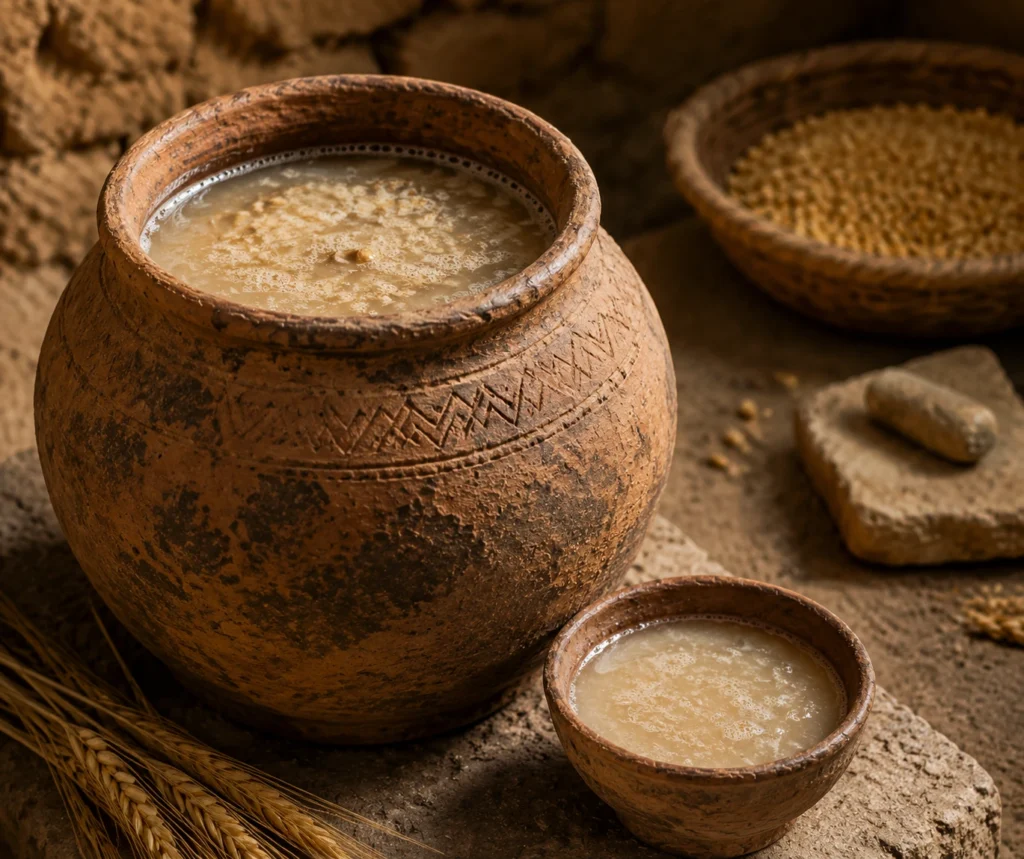
Alcohol is one of the oldest known drinks in human history, with evidence showing that people were making it more than 9,000 years ago. The earliest forms of alcohol were likely created by accident when fruits, grains, or honey naturally fermented due to yeast.
One of the first known alcoholic drinks was beer in ancient Mesopotamia (modern-day Iraq). Later, civilizations like the Egyptians, Chinese, and Indians also developed their own alcoholic beverages using grains, rice, and fruits.
In ancient times, alcohol was not only used for enjoyment but also had cultural and religious importance. It was used in rituals, celebrations, and even as medicine in some cultures.
Over time, different regions created their own unique drinks like wine in Europe, sake in Japan, and spirits like whiskey and rum later in history. By the Middle Ages, alcohol production became more advanced, and distillation techniques were developed.
Today, alcohol is consumed worldwide in many forms, but its history shows that it started as a natural discovery that became part of culture, tradition, and social life.